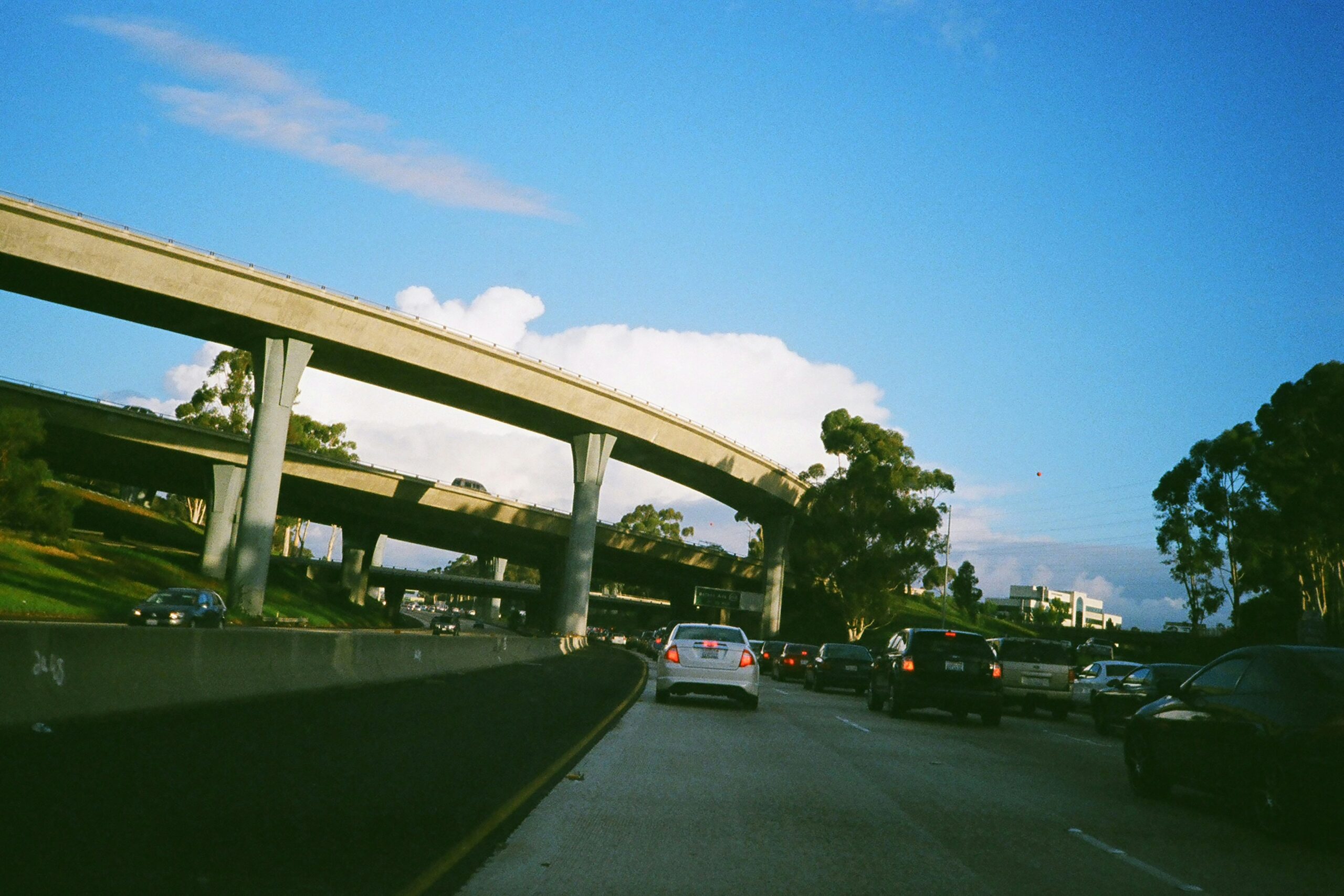
Every morning you merge onto the highway, settling into the familiar rhythm of your commute. Within minutes, a gravel truck ahead kicks up stones that pepper your hood. Construction zones funnel traffic into narrow lanes where debris bounces between vehicles. Stop-and-go traffic puts you inches from the car ahead, perfectly positioned to catch whatever the road throws their way. By the time you reach your destination, your vehicle has survived another gauntlet of paint-damaging hazards that most drivers accept as inevitable.
This daily assault on your vehicle’s finish isn’t just a cosmetic annoyance. It’s systematic destruction that compounds with every commute, steadily degrading your paint until professional repair becomes unavoidable. For drivers logging significant highway miles in February 2026, Paint Protection Film represents the difference between a vehicle that maintains its value and one that shows every mile of its hard-working life.
How Paint Protection Film Works as a Sacrificial Barrier
Paint Protection Film operates on a simple principle: it takes the hit so your paint doesn’t have to. This transparent urethane film bonds to your vehicle’s painted surfaces, creating a barrier between your clear coat and everything the road launches at it. When a rock chip would normally penetrate through the clear coat into the base paint, requiring professional repair, PPF absorbs the impact. The film may show damage, but your actual paint remains untouched beneath it.
The technology matters for commuters specifically because highway driving generates the highest concentration of paint-threatening events. Rock chips from gravel trucks occur at speeds where kinetic energy turns small stones into paint-penetrating projectiles. Tire debris, metal fragments from blown truck tires, and construction zone gravel all travel at velocities that overwhelm unprotected clear coat. PPF’s urethane composition flexibly absorbs these impacts, dissipating energy across the film’s surface rather than allowing it to concentrate at a single point and breach your paint.
Bug splatter presents another commuter-specific challenge. Summer driving through regions with heavy insect populations leaves acidic residue that etches into clear coat if not removed immediately. Most commuters don’t have time to detail their vehicles after every drive. PPF creates a sacrificial surface where bug acids attack the film rather than your paint, and the hydrophobic properties of modern films make cleaning significantly easier when you do have time for maintenance.
Self-Healing Technology for Daily Drivers
Modern Paint Protection Film includes self-healing capabilities that address the minor scratches and swirl marks that daily drivers accumulate. The thermoplastic polyurethane top layer contains elastomeric polymers that, when heated, return to their original molecular arrangement. When minor scratches occur from shopping cart contact, car wash brushes, or incidental contact, exposure to heat causes the damaged polymers to flow back together, erasing the scratch.
This happens automatically under normal conditions. Park your vehicle in sunlight after a car wash, and minor swirl marks disappear as the film warms. Even ambient heat from your engine after highway driving can activate the healing process. For deeper scratches that need additional encouragement, warm water or a heat gun accelerates the process, allowing the film to recover from damage that would be permanent on unprotected paint.
The practical value for commuters becomes clear over time. Your vehicle faces countless minor abrasions that individually seem insignificant but cumulatively destroy your paint’s appearance. Self-healing PPF maintains a consistently clean appearance despite this daily abuse, eliminating the need for frequent paint correction services that remove material from your clear coat with every treatment.
Commuter Scenarios Where PPF Delivers Protection
Following gravel trucks presents one of the highest-risk scenarios for paint damage. These vehicles constantly shed material, and highway speeds turn pebbles into projectiles. Maintaining safe following distance helps, but construction zones and traffic patterns don’t always allow adequate spacing. PPF on your hood, front bumper, and lower fenders catches what safe driving practices can’t prevent.
Construction zone debris creates unavoidable exposure. February 2026 continues the infrastructure investment boom, meaning highway construction zones are inescapable for most commuters. Temporary lane configurations force traffic through areas scattered with metal fragments, concrete chunks, and gravel. These zones concentrate damage-causing debris exactly where traffic must travel, making protection essential rather than optional.
Stop-and-go traffic generates a different threat pattern. When vehicles travel in close proximity at varying speeds, rocks and debris bounce between cars, striking from angles and distances that would never occur in free-flowing traffic. Your front bumper, lower doors, and rocker panels all catch material that ricochets off the vehicle ahead. PPF coverage in these zones prevents the chips and scratches that announce to everyone you’re a highway warrior.
Seasonal challenges compound these daily hazards. Winter road salt accelerates paint degradation, particularly along lower body panels where slush accumulates. Salt doesn’t just cosmetically stain; it chemically attacks clear coat and promotes rust in any area where chips have penetrated to bare metal. PPF creates a barrier that prevents salt from reaching your paint, protecting both appearance and structural integrity.
Summer bug season turns windshields and front fascias into biological hazard zones. High-speed impacts embed insect remains into every forward-facing surface, and the acidic composition begins etching paint within hours. While you can’t avoid bugs during summer commuting, PPF prevents the permanent etching that occurs when you can’t immediately clean your vehicle.
Cost-Benefit Analysis for Daily Drivers
Professional paint repair costs make PPF’s value proposition clear. Repairing a hood with multiple rock chips costs $500 to $1,500 depending on damage severity and whether color matching requires blending into adjacent panels. A front bumper repair or replacement runs $500 to $1,500 for standard vehicles, with luxury models commanding significantly higher prices due to sensor integration and specialized finishes.
These aren’t one-time expenses. Commuters accumulating 20,000 to 30,000 annual miles face repeated paint damage requiring multiple repair cycles throughout vehicle ownership. A commuter keeping a vehicle for seven years might easily spend $3,000 to $5,000 on paint repairs addressing damage that PPF would have prevented.
Paint Protection Film for high-impact commuter areas costs $1,200 to $2,500 depending on coverage extent and vehicle size. This typically includes full hood coverage, front bumper, front fenders, mirror caps, and headlight protection. The film lasts 5 to 10 years with proper maintenance, meaning even conservative seven-year ownership sees the investment pay for itself through avoided repair costs while delivering superior paint condition throughout.
The resale value advantage amplifies these savings. Vehicles showing obvious paint damage from highway use sell for less than comparable examples with pristine finishes. Buyers recognize commuter damage when they see it and adjust their offers accordingly. PPF-protected vehicles command premium pricing because the film demonstrates proactive maintenance and the paint condition proves it.
Coverage Options for Budget-Conscious Commuters
Partial front-end coverage represents the practical choice for cost-conscious daily drivers. This package protects the highest-impact zones where damage occurs most frequently: full hood, front bumper, front fenders, and mirror caps. These areas catch 90% of road debris, making them the priority for drivers balancing protection needs against budget constraints.
This targeted approach costs significantly less than full-body coverage while delivering most of the practical benefit for highway commuters. You’re protecting the surfaces that face forward and catch projectiles, while leaving less vulnerable areas like doors, quarter panels, and trunk unprotected. For drivers whose vehicles spend most of their time pointed straight ahead at highway speeds, this represents optimal resource allocation.
Full-body coverage suits premium vehicles where maintaining showroom condition throughout ownership justifies the additional investment. Luxury and exotic vehicles depreciate less when their paint remains flawless, making comprehensive protection economically rational. Full-body PPF also makes sense for drivers in particularly harsh environments where side and rear surfaces face significant exposure, though pure highway commuters typically find this excessive for their needs.
Hydrophobic Properties and Maintenance Benefits
Modern Paint Protection Film includes hydrophobic top coats that repel water, making highway grime significantly easier to remove. This matters for commuters who face constant exposure to road spray, particularly during wet weather or winter months when road treatments create persistent film on vehicle surfaces.
The hydrophobic effect means water beads and sheets off treated surfaces rather than spreading and allowing contaminants to bond. When you wash your vehicle, dirt releases more easily with less aggressive scrubbing, reducing the mechanical abrasion that creates swirl marks over time. For time-pressed commuters, this translates to faster, easier cleaning that maintains better results with less effort.
UV resistance prevents the fading and oxidation that degrades automotive finishes over years of sun exposure. Daily drivers park outdoors at work, leaving their vehicles exposed to ultraviolet radiation for eight hours daily. This cumulative exposure breaks down clear coat, causing the chalky, faded appearance that destroys resale value. PPF blocks these damaging wavelengths while maintaining its own clarity, protecting both the film and the paint beneath it from photodegradation.
Brand Considerations for Commuter Applications
XPEL stands as the most recognized name in Paint Protection Film, offering self-healing technology and comprehensive warranties. Their Ultimate Plus film combines optical clarity with strong impact resistance, making it appropriate for high-mileage applications where performance matters more than price.
LLumar provides premium protection with advanced top coatings that enhance hydrophobic properties and self-healing response times. Their Platinum series offers 10-year warranties, matching the ownership timeline for many commuters who plan to keep vehicles long-term.
Ceramic Pro entered the PPF market with products combining film protection and ceramic coating properties in integrated systems. Their approach suits drivers wanting maximum protection and minimal maintenance, though at premium pricing that reflects the advanced technology.
Schedule Your Commuter-Specific Consultation
Your daily commute systematically destroys your vehicle’s finish through accumulated rock chips, construction debris, and environmental contamination that no amount of careful driving can fully avoid. Paint Protection Film transforms this losing battle into manageable protection, absorbing damage that would otherwise require expensive repairs while maintaining the pristine appearance that preserves resale value.
Schedule a consultation focused specifically on commuter protection needs. Professional installers assess your driving patterns, typical routes, and vehicle usage to recommend coverage that balances comprehensive protection against budget realities. They can show you examples of PPF performance on similar vehicles and explain maintenance requirements for your specific commuting environment.
Stop accepting paint damage as an inevitable cost of highway driving. Protect your paint with film technology designed to withstand the punishment daily commuters face, keeping your vehicle looking new while avoiding the repair costs that turn practical transportation into an expensive maintenance burden. Contact us today for a free consultation! 913-491-8468