
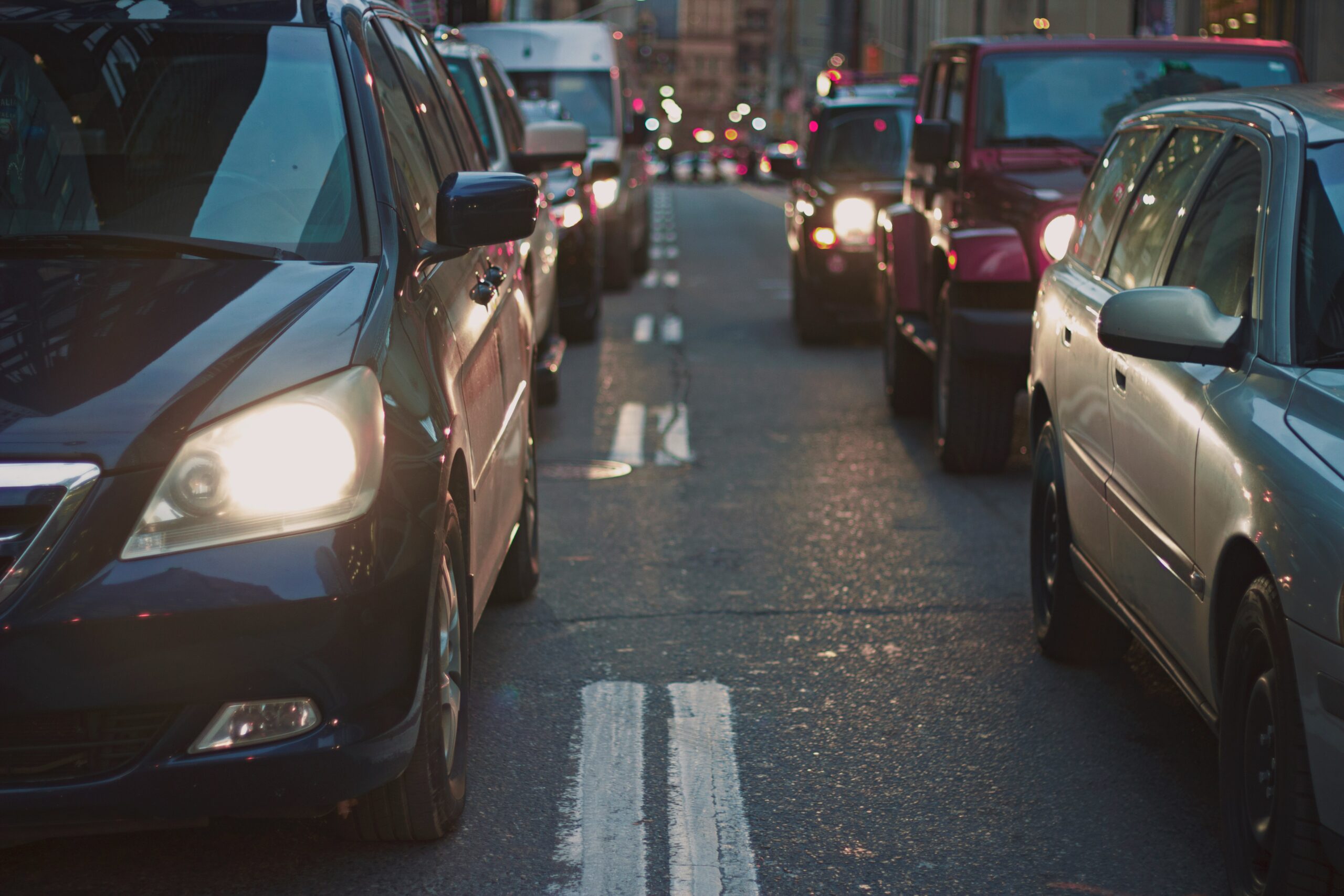
If you spend an hour or more behind the wheel each day, your daily commute is doing more than consuming your time and fuel. That windshield and those side windows are exposing you to harmful UV radiation, cooking your interior, and forcing your air conditioning to work overtime. For the millions of Americans who treat their cars as mobile offices, second living rooms, and transportation necessities, window tint has evolved from a luxury upgrade into a practical health and comfort investment.
The window tint technology available in 2026 bears little resemblance to the purple-fading, bubble-forming films of the past. Nano-ceramic and graphene-infused materials now dominate the market, offering performance that earlier generations could barely imagine. These advanced films block 99% of UV rays while rejecting up to 90% of infrared heat without interfering with your GPS, 5G connectivity, or advanced driver assistance systems.
The Health Case: Your Left Side Needs Protection
Dermatologists have documented a concerning pattern for years: drivers develop significantly more sun damage, wrinkles, and skin cancer on the left side of their faces and arms. The reason is simple geometry. During your morning and evening commutes, sunlight streams through your driver’s side window for hours each week, bombarding your skin with UV radiation that glass alone cannot adequately filter.
Quality window tint acts as sunscreen for your daily drive. By blocking 99% of harmful UV rays, ceramic and graphene films provide the same level of protection you’d get from SPF-rated clothing. For parents doing school pickup and dropoff, this protection extends to your children in the back seat, safeguarding their sensitive skin during those twice-daily trips.
Comfort That Transforms Your Drive
Anyone who has climbed into a sun-baked car on a summer afternoon understands the misery of superheated interiors. Modern window tints address this problem with impressive effectiveness, reducing interior temperatures by 25 to 30 degrees Fahrenheit compared to untinted vehicles.
This dramatic temperature reduction delivers cascading benefits. Your air conditioning system faces far less demand, cycling less frequently and consuming less energy. The result? Measurable fuel efficiency improvements of 3 to 5%, which translates to real money saved over thousands of commuting miles. For electric vehicle owners, reduced AC load means extended range between charges.
The comfort improvements extend beyond raw temperature. Infrared heat rejection means surfaces stay cooler to the touch. Your steering wheel, seats, and dashboard won’t burn your hands and legs when you first enter the vehicle. The immediate comfort when you slide behind the wheel after a long workday makes window tint feel like a quality-of-life upgrade rather than simple automotive modification.
Safety Through Glare Reduction
Rush hour commutes often mean driving directly into sunrise or sunset, with blinding glare that sunvisors can’t fully address. Quality window tint reduces this glare substantially, improving visibility and reaction time during the most challenging lighting conditions. Reduced eye strain during these critical driving periods translates directly to safer navigation through congested traffic.
For long-distance drivers covering highways for hours at a stretch, glare reduction and UV filtering minimize eye fatigue. The difference becomes apparent on weekend road trips or work-related travel when you arrive at your destination feeling less exhausted than you would in an untinted vehicle.
Protecting Your Investment
Beyond personal comfort and health, window tint preserves your vehicle’s interior. Dashboard plastics become brittle and crack under constant UV exposure. Upholstery fades, particularly on seats near windows. Touchscreens and instrument clusters deteriorate faster with prolonged sun exposure. By filtering these damaging rays, window tint helps maintain interior condition and resale value.
The privacy benefits also matter. Tinted windows discourage casual window shopping by would-be thieves, making your vehicle a less attractive target in parking lots and on city streets. Your belongings stay out of sight, and you enjoy increased privacy during phone calls or quick changes between work and gym.
Understanding Your Options in 2026
Window tint technology has stratified into clear performance tiers. Dyed films remain the budget option, typically ranging from $100 to $200 for a full vehicle, but they fade and lose effectiveness within a few years. Metallic films offer better heat rejection but can interfere with electronic signals, making them increasingly obsolete.
Carbon films represent the middle ground, offering solid performance without signal interference at moderate cost, generally $250 to $400 for complete installation. For serious commuters, nano-ceramic and graphene-infused films justify their premium pricing of $400 to $800. These top-tier materials deliver superior heat rejection, total signal transparency, and longevity that easily exceeds a decade.
Legal Considerations and VLT Percentages
Visible light transmission percentages vary by state law. Most states permit 35% to 50% VLT on front side windows, while rear windows typically allow darker tints. Professional installers know local regulations and can recommend compliant options that maximize benefits while keeping you legal.
Take the Next Step
Your daily commute doesn’t have to mean UV exposure, uncomfortable heat, and eye strain. Professional window tint installation transforms your driving experience while protecting your health and your vehicle. Schedule a consultation with a certified installer to explore options tailored to your vehicle, budget, and specific needs. Your skin, your comfort, and your fuel economy will all thank you.
If you would like to learn more about how window film can help your vehicle, please get in touch with us here.