
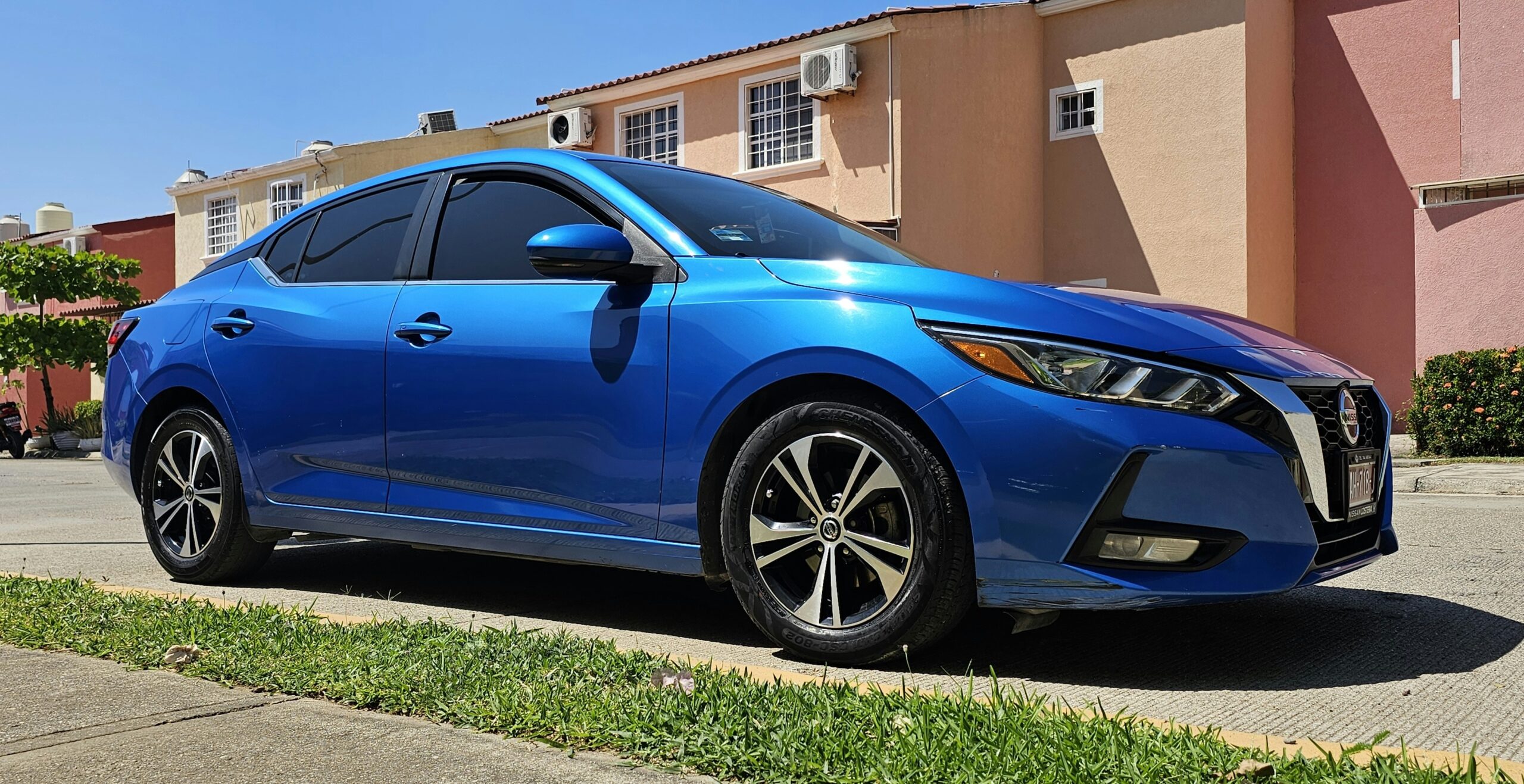
Your Daily Driver Deserves Better Than Factory Glass
You pull into the parking lot. The car next to yours has sleek, dark windows. Yours looks plain by comparison. Professional window tint closes that gap immediately. It gives any vehicle a finished, high-end appearance that factory glass simply does not deliver. But the visual upgrade is only the beginning. The right window film blocks harmful UV rays, rejects solar heat, reduces glare, and protects your interior for years. For daily commuters, it is one of the most practical upgrades available at any price point.
The Look Makes an Immediate Difference
There is a reason luxury vehicles either come tinted from the factory or get tinted immediately after purchase. Uniform dark windows create a cohesive, intentional appearance. They eliminate the fishbowl effect that makes occupants and interiors fully visible from outside. The vehicle looks finished rather than basic. That effect is not exclusive to luxury cars. Professional window tint delivers the same result on any vehicle, regardless of make, model, or age.
For professionals who drive to client sites, park in corporate lots, or simply take pride in their vehicle, the difference is noticeable and immediate. Colleagues ask if you got a new car. The answer is more satisfying than that. You just made the one you have look significantly better.
UV Protection: The Health Case for Window Tint
This is where professional window tint moves beyond aesthetics into genuine health protection. Untreated side windows allow a significant amount of UVA radiation to pass through. Windshields use laminated glass that blocks most UVA. Side windows use tempered glass with far less built-in protection. Research confirms the result. Approximately 53 percent of skin cancers in the United States occur on the left side of the body. Dermatologists attribute this directly to driver-side UV exposure through side windows. American drivers receive up to six times more UVA exposure on the left side of the body than the right.
Quality window tint film blocks up to 99 percent of both UVA and UVB radiation. The Skin Cancer Foundation lists UV-protective window film as a recommended protective measure for drivers. For anyone with a daily commute, that cumulative protection adds up significantly over months and years of driving.
Heat Rejection: The Comfort Case
Anyone who has gotten into a parked car in summer understands this problem immediately. Cabin temperatures in direct sun climb fast. Steering wheels become untouchable. Seat surfaces hold heat long after the AC kicks in. Solar control window film rejects a substantial portion of incoming solar heat before it enters the cabin. Ceramic films in particular deliver strong heat rejection while maintaining visibility.
The practical effects are straightforward. The cabin is cooler when you get in. The air conditioning reaches a comfortable temperature faster. The AC system works less hard to maintain that temperature. For daily commuters who spend 30 to 60 minutes or more behind the wheel each day, that difference in comfort is felt every single time.
Glare Reduction: The Safety Case
Sunrise and sunset commutes create some of the most dangerous driving conditions on the road. Low angle sun drives directly into the windshield and side glass. Squinting is not a solution. It is a symptom of inadequate eye protection and it creates fatigue on long drives. Quality window tint reduces glare significantly, improving screen and road visibility throughout the commute. Reduced eye strain means less fatigue and more focus during the drive.
Interior Protection: The Long-Term Value Case
Dashboards fade. Leather cracks. Upholstery loses color. All of it happens faster when UV radiation and solar heat hit interior surfaces without filtration every day. Window tint slows that process considerably. A well-maintained interior holds resale value better than one with visible sun damage. For drivers who keep vehicles for several years, that protection compounds quietly in the background throughout ownership.
Ceramic vs. Standard Film: What the Difference Actually Means
Not all window tint performs equally. Understanding the two main categories helps commuters make a smart decision.
Ceramic Film
Ceramic window film uses nano-ceramic particles to reject heat and block UV without relying on metallic layers. It delivers superior heat rejection at any darkness level. It does not interfere with GPS signals, mobile phone reception, or radio. It is color-stable and will not shift to a purple or brown tone over time. Most ceramic films carry lifetime warranties. For daily drivers, ceramic is the stronger long-term investment.
Standard Dyed Film
Standard dyed film provides basic UV and heat blocking at a lower entry price. It is a functional option for drivers with simpler needs or tighter budgets. Performance and longevity are generally lower than ceramic, and warranties are typically shorter.
Getting It Right: What to Know Before You Book
State law sets the minimum visible light transmission allowed for each window position. Legal limits vary by state. A professional installer will know exactly what is permitted in your area and help you choose a tint level that balances privacy with compliance.
Installation at a professional shop typically takes two to three hours. Most drivers drop off in the morning and drive home the same day. Quality installation matters significantly. Poor application produces bubbles, peeling edges, and uneven coverage that looks worse than no tint at all. A reputable installer backs their work with a warranty on both materials and labor.
The Investment in Context
Window tint is a one-time cost that delivers daily returns for years. The comfort improvement happens on every single drive. The UV protection accumulates silently throughout the life of the vehicle. The appearance upgrade is permanent unless the driver chooses to change it. New wheels cost significantly more and do nothing for heat or UV protection. Premium audio upgrades cost as much or more without touching comfort or health. Professional window tint is among the most cost-effective upgrades available for a daily driver.
Ready to Upgrade Your Daily Commute?
A qualified window tint professional can walk you through film options, darkness levels, and ceramic versus standard choices for your specific vehicle and state. Reach out to a professional window tint installer in your area to schedule an appointment and find out what your daily driver could look like and feel like starting tomorrow.